Forget 10 Ways To Grow. You Only Need One System.
Forget 10 Ways to Grow. You Only Need One System.
Sustainable growth is not about doing more. It is about building one system that makes everything else work.
You are looking for a checklist of tactics you can start executing today. You feel the constant pressure to do more, to add another "marketing" concept, to launch another initiative, etc.
That pressure is a symptom, not a strategy.
I know this because I lived it. I juggled over ten different marketing tools, trying to keep up. I watched good prospects slip away because nothing in my business worked together. I was busy. I was not growing. I was confusing motion with progress.

This is what "doing more" actually looks like. Busy, disconnected, and going nowhere fast.
The real path to sustainable growth is not found in adding more to your plate. It is found in building one system that makes every action you take more effective.
Key Insights
• Most small businesses do not have a lead problem. They have an operational marketing problem.
• Hundreds of warm contacts already exist in your email, phone, and old client lists. Without a system, they are invisible.
• Adding more marketing tactics to a broken foundation does not accelerate growth. It amplifies the mess.
• A single, unified operational system, not a longer to-do list, is what turns existing contacts into predictable revenue.
• The four components of that system are: organized data, connected tools, consistent follow-up, and clear processes.
The Trap of a Longer To-Do List
Growth for a small business owner often feels like it should come from a longer to-do list. Add social media. Start a podcast. Run digital ads. Write more blog posts. Each new task feels like a step forward.
But this approach creates chaos, not clarity.
When you add new marketing activities on top of a broken operational foundation, you make the mess bigger. You get more contacts you cannot track, more leads you forget to follow up with, and more data scattered across disconnected spreadsheets and apps.
This is the core conflict between Activity and Achievement.
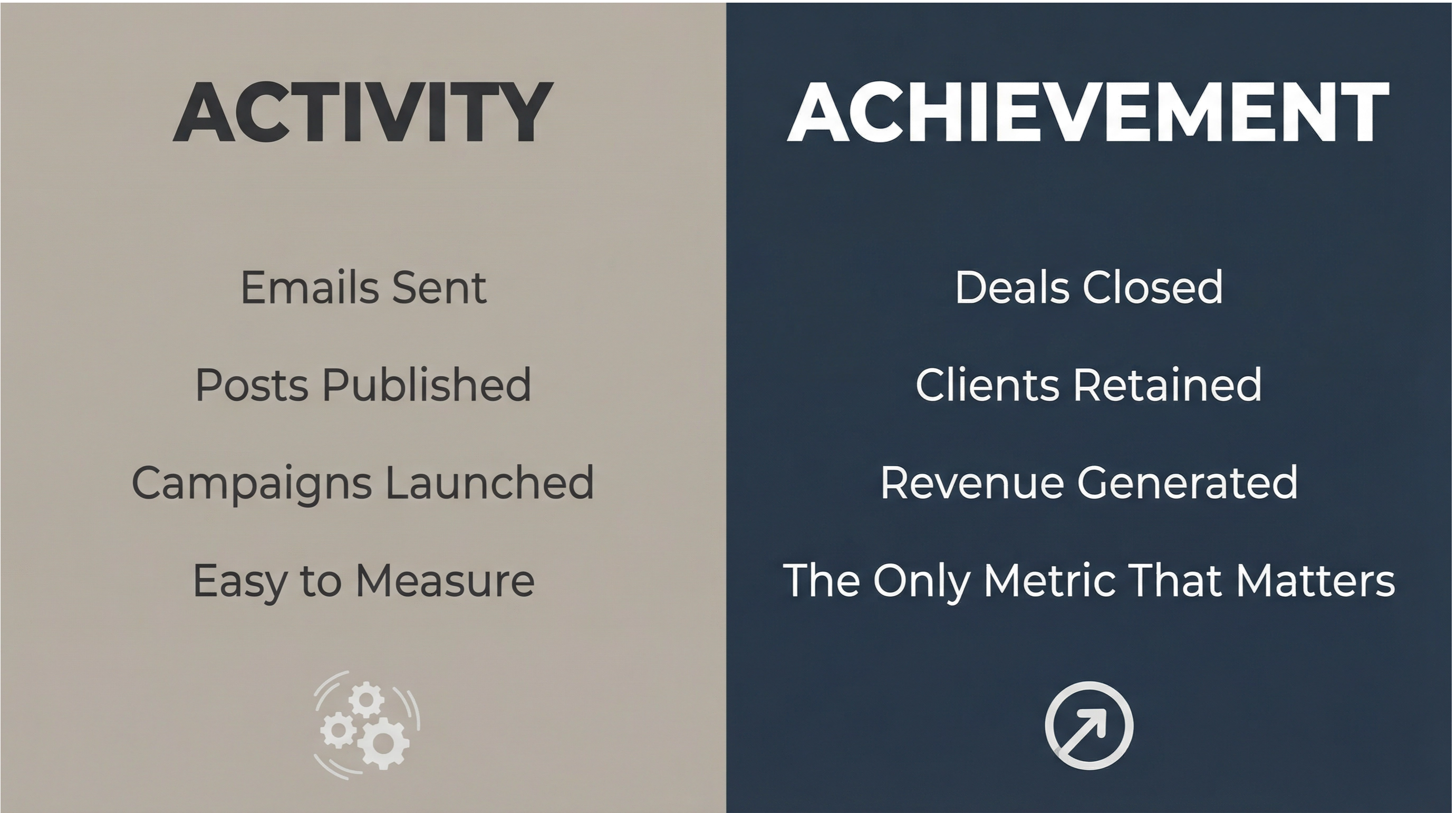
Adding more activity to a weak system burns resources and demoralizes your team. It creates the illusion of progress while producing no meaningful results.
Why Searching for "10 Ways to Grow Your Business" Fails
The search for a growth tactics list is built on a flawed premise: it assumes you have a lead generation problem.
For most small businesses, that assumption is wrong.
You do not have a lead problem. You have an operational marketing problem.
You likely have hundreds, if not thousands, of contacts sitting in your email, your phone, and old client lists. These are warm leads and past customers who already know you. But without a system to manage them, they are invisible.
Any new tactic you implement will fail for the same reason: the new leads will fall into the same black hole as your existing contacts.
You do not need another way to find new people. You need a reliable way to engage the people you already know.
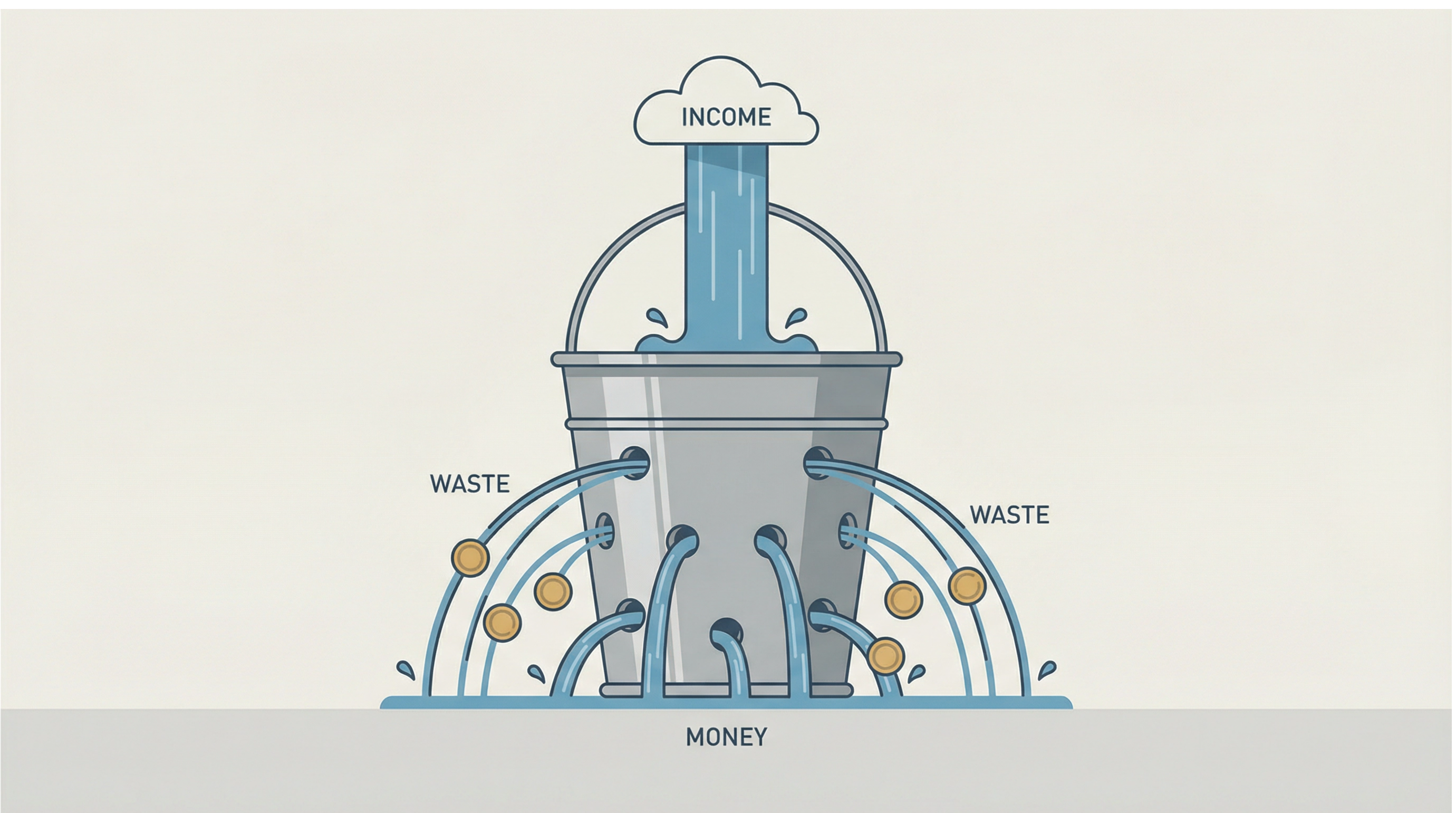
Every dollar you spend on marketing without fixing your operational foundation is money draining straight out the bottom.
The One System: From More Tactics to Better Operations
Stop chasing more tactics. Start building a single, unified system.
This is the foundation of operational marketing. It is not another task to add to your list. It is the machine that makes all your other tasks work.
Building this system is how you turn existing contacts into predictable revenue. It has four essential components.
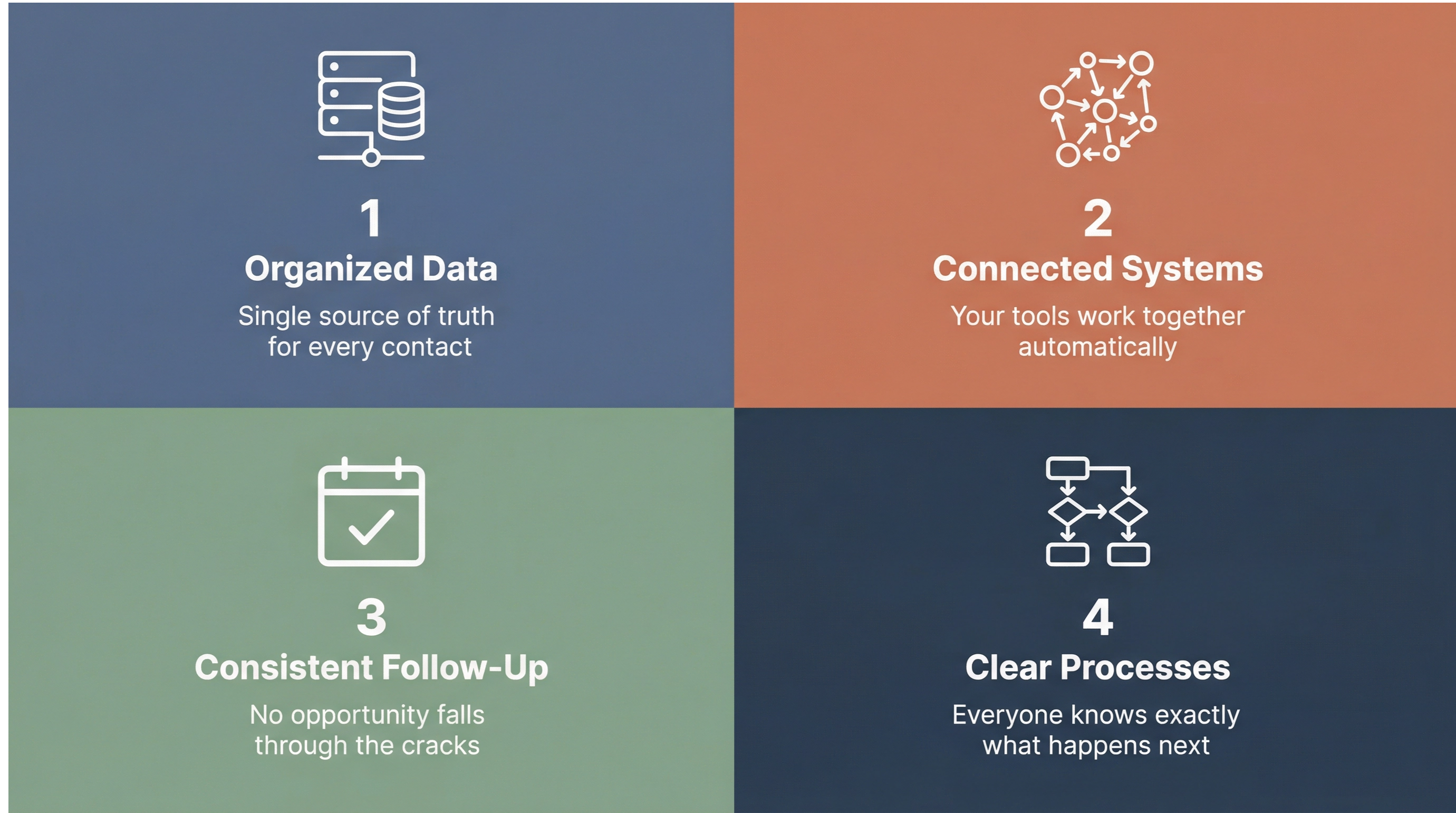
The four components of an operational marketing system work together as one machine, not four separate tasks.
1. Organized Data
The tool: a CRM (Customer Relationship Management system).
A CRM is a single place where every contact, conversation, and follow-up lives. Instead of hunting through your inbox, scrolling your phone contacts, or digging through a spreadsheet, you open one place and see the full history of every relationship. Who they are, when you last talked, what was discussed, and what happens next. If a contact is not in your CRM, it does not exist to your business. That is the standard to hold yourself to.
2. Connected Systems
The tool: an automation or integration platform.
Your CRM, email, calendar, and forms should not operate as four separate islands. An automation platform connects them so that when something happens in one place, the right thing happens everywhere else automatically. A new lead fills out a form and they are instantly added to your CRM, tagged, and queued for follow-up without you lifting a finger. This is not about complexity. It is about eliminating the manual steps where contacts fall through the cracks.
3. Consistent Follow-Up
The tool: an email automation sequence.
Consistent follow-up does not mean you personally send every message. It means you build a sequence once and the system sends it reliably, every time, to every person. A new lead gets a welcome message. A past client gets a check-in at 90 days. A cold contact gets a re-engagement email at six months. None of it requires you to remember. The sequence runs whether you are in a meeting, on vacation, or focused on a different client entirely.
4. Clear Processes
The tool: a documented SOP (Standard Operating Procedure).
An SOP is simply a written answer to the question: what happens next? When a new lead comes in, there is a written step-by-step. When a project closes, there is a written step-by-step. It does not need to be a 20-page manual. A one-page document in a shared folder is enough to eliminate the guesswork that costs you time and consistency. Your team stops asking you what to do. Your clients stop getting inconsistent experiences. The business stops depending entirely on your memory.
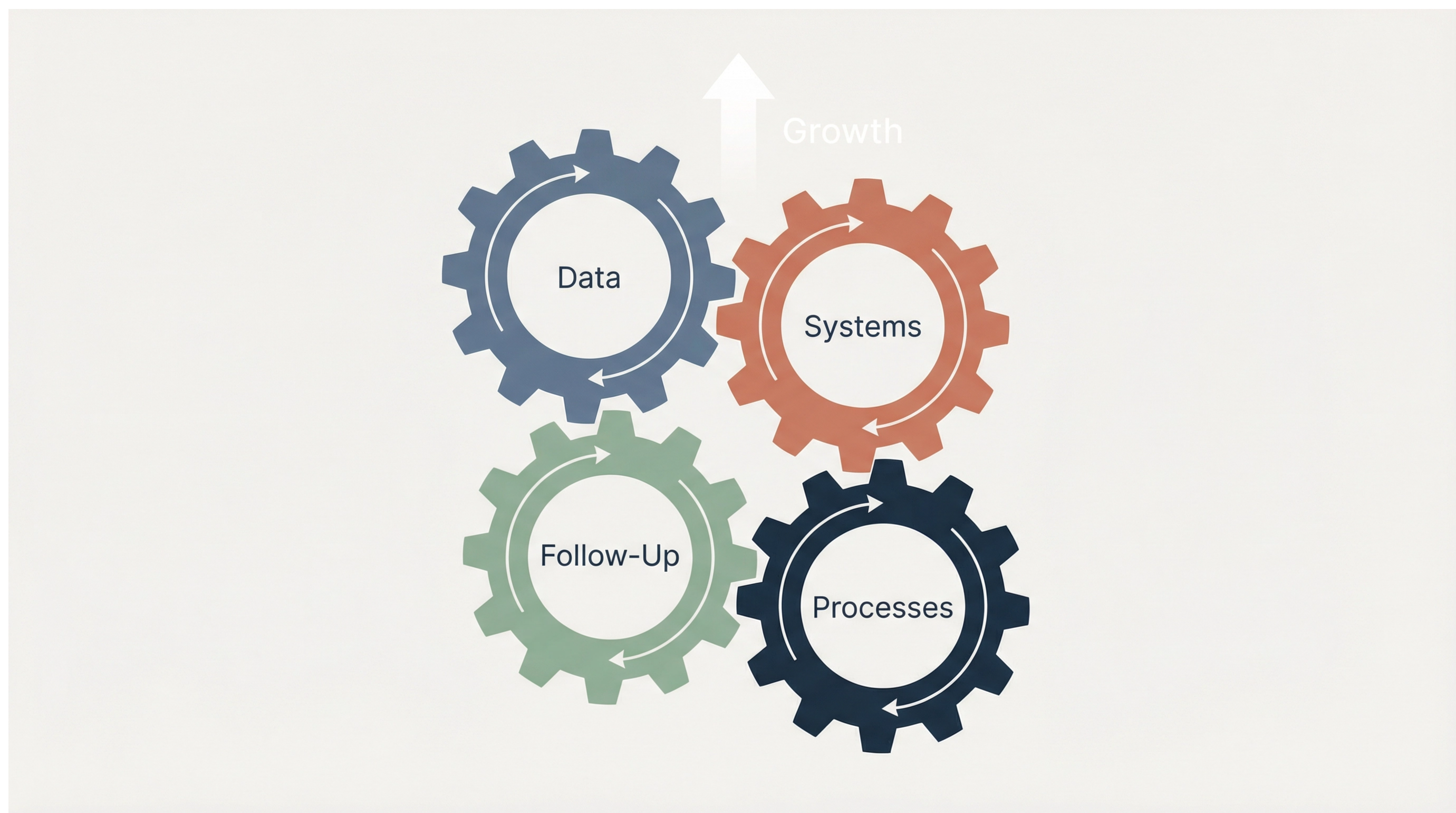
When all four components are connected and running, the result is not four separate improvements. It is one growth engine.
These four components transform your business from a chaotic series of tasks into a streamlined growth engine.
Here is the part most business owners skip: none of these components are complicated on their own. The difficulty is building them together, intentionally, before the chaos demands it.
Frequently Asked Questions
What is the biggest mistake small businesses make?
Focusing on acquiring new customers before building a system to serve and retain existing ones. They chase new leads while neglecting the valuable relationships they already have, which leads to wasted effort and missed opportunities for repeat business and referrals.
What do small business owners struggle with the most?
A lack of systems. This creates constant reactivity, where owners are always fighting fires instead of building for the future. They are trapped working in the business, handling daily emergencies, rather than on the business, creating processes for sustainable growth.
What are the five stages of small business growth?
The five stages are typically defined as Existence, Survival, Success, Take-off, and Resource Maturity. Moving from Survival to Success requires one critical transition: from founder-led chaos to system-driven operations. That transition is the hardest, and it is where most businesses stall.
How do you fix a business that is failing?
Stop the bleeding first. Simplify your offerings, cut unnecessary expenses, and build a system to communicate with your existing and past customers. Re-engaging a warm audience is faster and cheaper than finding a new one. Fix internal operations before attempting external expansion.
Why do most small businesses fail?
Not from a lack of good ideas, but from a failure to build scalable systems. They rely too heavily on the founder's personal effort and never create the documented processes, operational workflows, and reliable follow-up that allow a business to function and grow independently of one person.
Stop Chasing. Start Building.
The desire for growth is correct. The method of chasing endless tactics lists is broken.
You do not need more ideas. You need one system.
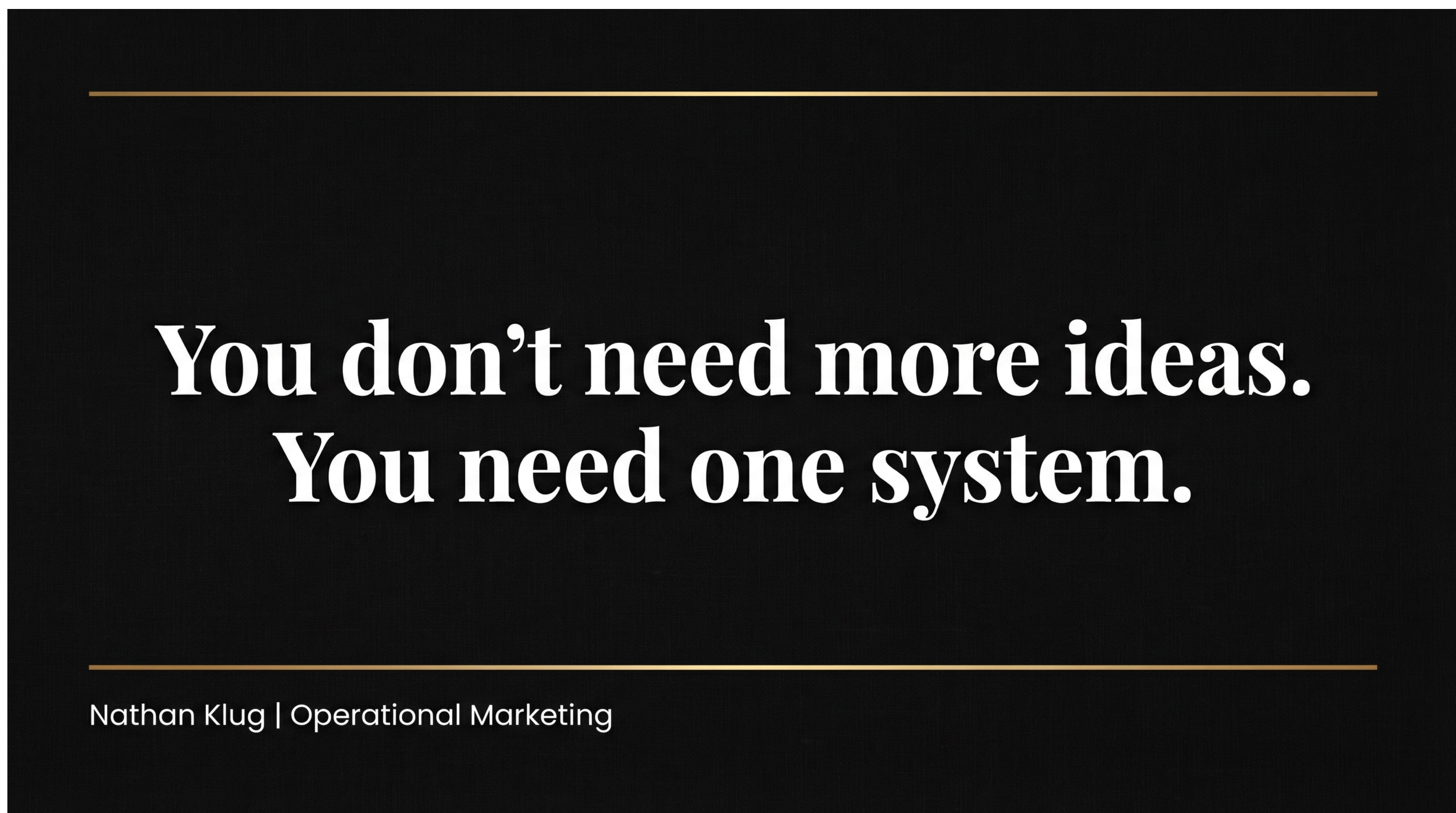
Screenshot this. Send it to someone who needs to hear it.
Sustainable growth is not an external problem solved with more advertising or a bigger social media presence. It is an internal problem solved by creating clarity and order within your operations. It comes from building a reliable machine that turns the contacts you already have into real opportunities.
Stop celebrating busyness. Start building a system that delivers results.
If you want to see what a unified operational marketing system looks like in practice, explore the LIFT Marketing System by clicking here and see how it applies these four components inside a real business.