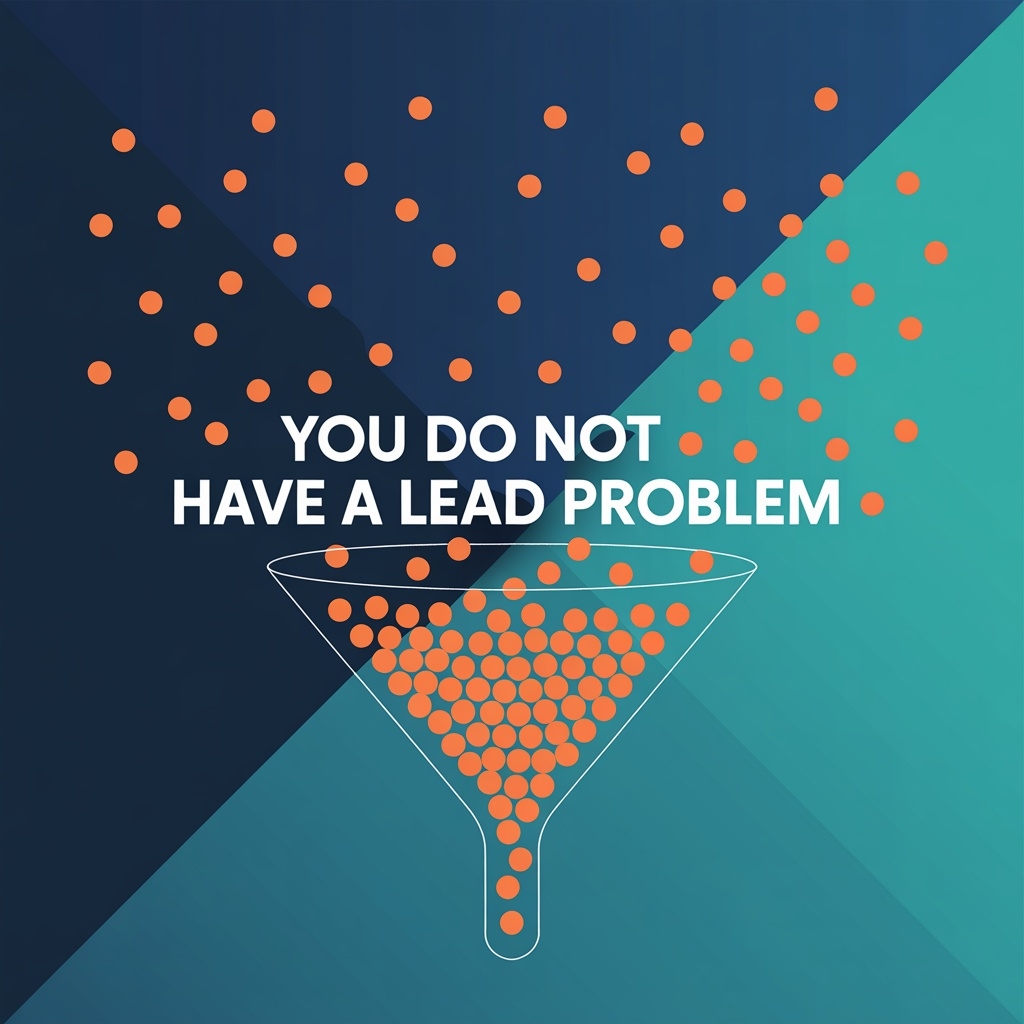
You Do Not Have a Lead Problem You Have an Operational Marketing Problem

You Do Not Have a Lead Problem, You Have an Operational Marketing Problem
Key Takeaways
The constant search for new leads is often a symptom of broken internal marketing operations, not a true lack of interested prospects.
Sustainable authority growth is a direct result of having an organized, connected marketing system in place before you seek visibility.
For agency leaders and consultants, scalability is impossible without first building a structured foundation for client intake, nurturing, and follow-up.
Effective marketing operations for small business owners depend on a central system, like a CRM, to organize data and automate communication.
Shifting your focus from chasing more attention to building better connections is the key to predictable, long-term business growth.
Automation, when used correctly, enhances personal connection by ensuring timely and relevant communication, freeing you to focus on high-value conversations.
Your first step is not to find more leads but to audit your current processes and fix the leaks in your marketing and sales funnel.
The Myth of the Lead Problem
Why Chasing More Leads Leads to Burnout
Many entrepreneurs believe their primary challenge is a lack of leads. This belief fuels a relentless cycle of activity. You spend money on ads, create endless content, and constantly search for new platforms, all in the pursuit of "more". This scramble for attention often results in exhaustion and a marketing budget that disappears with little to show for it. The core issue is that this approach mistakes motion for progress. You are so focused on filling the top of the funnel that you ignore the massive cracks in the foundation. Promising prospects express interest, but they fall through the gaps because there is no system to manage their journey. The stress of this constant chase is a heavy weight for small business owners and agency leaders. It creates a feeling of always being behind, where every new lead is both a potential win and a potential failure if you cannot follow up properly. This cycle is unsustainable. It burns out founders and prevents the business from achieving predictable growth. The solution is not to run faster on the hamster wheel of lead generation. The solution is to get off the wheel and build a system that can effectively manage the interest you already have.
The Real Cost of Disconnected Data
The true cost of poor marketing operations is measured in lost opportunities. Your valuable contacts are scattered across different platforms. Some are in your email inbox, others are in a spreadsheet, and a few more are just contacts in your phone. There is no single, organized view of who your prospects are, what they need, or where they are in their decision-making process. A great conversation at a networking event is forgotten. A follow-up email is never sent. A potential client who downloaded your guide grows cold because they receive no further communication. Each of these moments is a silent loss. Agency leaders feel this pain when they realize their team has no unified process for tracking prospects, leading to confusion and missed sales. Consultants lose credibility when their intake process feels disorganized and slow. This disorganization directly harms your bottom line. You are spending resources to attract people, only to let them slip away due to a lack of internal structure. The problem is not that you need more people to talk to. The problem is that your current operational setup makes it impossible to properly connect with the people who have already raised their hand.
Shifting Focus from Quantity to Connection
The fundamental shift required for sustainable growth is to move your focus from lead quantity to connection quality. You do not have a lead problem; you have a connection problem. Real business growth is built on relationships and trust, and these cannot be nurtured when your marketing is a chaotic collection of disconnected tools and manual tasks. A connected system allows you to build a reliable process for every person who interacts with your brand. It ensures that each contact receives the right message at the right time, guiding them from their first point of contact to becoming a valued client. For small business owners, this means no longer worrying that someone will be forgotten. For consultants, it means presenting a professional and seamless experience that reinforces your expertise from the very beginning. This change in perspective is liberating. It stops the frantic chase for attention and replaces it with the calm confidence of knowing you have a structure in place to handle growth. When you focus on building a better system for connection, you find that you need fewer leads to achieve your revenue goals because you convert a higher percentage of the ones you already have.

Connected Marketing Operations System
What Are Connected Marketing Operations?
Building Your Business's Central Nervous System
Connected marketing operations function as the central nervous system of your business. It is an integrated ecosystem where your data, tools, and communication channels work together in harmony. At the center of this system is a Customer Relationship Management (CRM) platform. This is your single source of truth, housing all information about your contacts, from their initial inquiry to their entire history with your company. Instead of data being siloed in separate applications, it flows freely between your website, your email marketing tool, and your calendar. For example, when someone fills out a form on your website, their information is automatically added to your CRM, they are tagged based on their interest, and a welcome email sequence is triggered. This is what separates a structured business from one that operates in chaos. For agency leaders, this means having a clear view of the sales pipeline at all times. For small business owners, it provides the structure needed to grow without being overwhelmed. Building this central nervous system is not about adding more technology. It is about choosing the right tools and making them work together to create a smooth, predictable workflow for both your team and your customers.
The Importance of Data Organization
You cannot automate a disorganized process. The foundation of any effective marketing operation is clean, well-organized data. Before you can build automated workflows, you must first bring order to your contact information. This starts with consolidating all your contacts from various spreadsheets, email clients, and other sources into your central CRM. From there, the key is to implement a consistent system for tagging and segmentation. A tag could identify where a contact came from, what service they are interested in, or what content they have downloaded. This level of organization allows you to understand your audience on a deeper level. You can see which marketing channels are bringing in the most qualified prospects and tailor your communication to be highly relevant. For consultants, this means you can send targeted follow-ups based on a prospect's specific challenges. For small business owners, it means you can create different nurturing paths for different types of customers. Without organized data, any attempt at automation will be inefficient and may even damage your brand's reputation by sending the wrong message to the wrong person. Taking the time to structure your data is the most critical first step in building a marketing system that works.
How Automation Supports Genuine Relationships
There is a common misconception that automation is cold and impersonal. In reality, well-executed automation is what makes genuine, scalable relationships possible. The purpose of automation is not to replace human interaction but to handle the repetitive, administrative tasks that get in the way of it. When a new prospect reaches out, an automated system can ensure they receive an immediate acknowledgment and relevant information. This provides a professional and responsive experience while freeing you up to focus on the high-value, strategic conversations that actually close deals. For agency leaders, automation can manage lead distribution to the team and trigger follow-up reminders, ensuring no opportunity is missed. For consultants, it can handle appointment scheduling and pre-meeting communication, making the client feel cared for and prepared. This consistency builds trust. A prospect who experiences a smooth and organized process from the beginning is more likely to believe you can deliver on your promises. Automation allows you to be present for every prospect at the right moment, without having to manually manage every single step. It is the operational backbone that supports and enhances your ability to build real human connections at scale.

Building Scalable Growth Through Systems
The Path from Chaos to Clarity for Agency Leaders and Consultants
Structuring for Scalable Growth
For agency leaders and consultants, growth often creates a significant bottleneck. As the business expands, the founder finds themselves buried in administrative tasks, becoming the central point for every new sale and client interaction. This is not a sustainable model for growth. The path from this chaos to clarity lies in building structured marketing operations. A scalable business is one that does not depend entirely on the founder's direct involvement in every step. It requires documented processes and systems that the entire team can follow. This means creating a standardized workflow for how new inquiries are handled, how prospects are nurtured, and how new clients are onboarded. When these systems are in place, the business can continue to operate smoothly even as it takes on more clients. For an agency, this structure allows new team members to be onboarded efficiently and contribute to growth quickly. For a consultant, it creates the capacity to serve more clients without sacrificing the quality of the experience. Building this operational framework is the difference between a business that hits a growth ceiling and one that is prepared for scalable success. It moves the focus from individual effort to system-driven results.
A System for Client Intake and Nurturing
A powerful example of effective marketing operations is a well-designed system for client intake and nurturing. This process should be seamless and professional from the very first touchpoint. Imagine a potential client visits your website and fills out a contact form. That action should trigger a series of connected events. First, their information is automatically created as a new contact in your CRM. Second, they are tagged based on the specific service they inquired about. Third, an automated email is sent to them immediately, confirming receipt of their message and providing them with helpful next steps or a relevant piece of content. This initial interaction sets the tone for the entire relationship. It shows that you are organized, responsive, and professional. From there, the system can continue to nurture the relationship with a series of follow-up emails that provide value and keep your brand top of mind. For consultants who sell high-value services, this structured nurturing process is essential for building the trust required to close a deal. For agency leaders, it ensures that every lead is handled with the same level of professionalism, regardless of which team member is responsible. This is a system that works for you, creating a consistent and positive experience for every prospect.
Measuring What Truly Matters
One of the greatest benefits of implementing connected marketing operations is the ability to finally measure what matters. When your marketing activities are a collection of disconnected efforts, it is nearly impossible to know what is actually working. You might know how many clicks your ad got, but you do not know if those clicks turned into actual clients. With a connected system centered around a CRM, you can track a prospect's entire journey. You can see which blog post they read before they filled out a form, which email in your nurturing sequence they opened, and which marketing channel brought them to you in the first place. This data provides invaluable insights. It allows agency leaders to make informed decisions about where to invest their marketing budget. It enables consultants to understand which of their services are generating the most interest. You can move beyond vanity metrics like likes and followers and focus on the data that directly impacts revenue. This clarity allows for continuous improvement. You can identify weaknesses in your sales process, optimize your follow-up sequences, and double down on the strategies that are delivering the best results. A structured system turns marketing from a guessing game into a predictable driver of business growth.

Authority Through Organized Systems
Authority Growth Is the Result of a Solid Foundation
Why Getting Seen Comes After Getting Organized
The prevailing advice in the marketing world is often to focus on visibility first. You are told to get on more podcasts, post more on social media, and do whatever it takes to get seen. However, this "visibility first" approach is fundamentally flawed. Driving a flood of attention and traffic to a business with broken internal systems is like pouring water into a bucket full of holes. You may capture a small amount of that interest, but the vast majority will leak out and be lost forever. A potential client hears you on a podcast, visits your disorganized website, and leaves without a clear next step. A new follower on social media is interested in your services but has no simple way to engage further. All the effort you put into getting seen is wasted because you have no reliable system to capture and nurture that attention. True authority is not just about being known; it is about being trusted and seen as credible. A clunky, disorganized experience for prospects undermines that credibility. The correct sequence is to get your internal house in order first. Build the systems to handle new interest before you go out and generate it.
How Systems Amplify Your Authority
A solid operational foundation does not just support your authority; it actively amplifies it. When you have connected marketing operations in place, every piece of visibility you gain works harder for you. Let's say you are a guest on a popular podcast. At the end of the episode, you direct listeners to a specific page on your website to download a free resource. When they arrive, the process is smooth. They enter their email, receive the resource instantly, and are automatically entered into a thoughtful nurturing sequence that continues to provide value. This seamless experience reinforces the expertise you just demonstrated on the podcast. It shows that you are not just a thought leader but also a professional who runs a well-organized business. This is how you convert listeners into leads and leads into clients. Your system acts as a bridge, turning a moment of visibility into a long-term relationship. For consultants and agency leaders, this is critical. Your authority is your greatest asset, and a professional, organized system protects and enhances it at every turn. Without this system, moments of authority are fleeting. With it, they become building blocks for sustainable growth.
Building Trust Through Consistency
Trust is the cornerstone of any successful service-based business. Clients hire you not just for your expertise but because they trust you to deliver on your promises. This trust is not built in a single moment. It is built through a series of consistent, positive interactions over time. Your marketing operations play a crucial role in establishing this consistency. When a prospect experiences a prompt, professional, and helpful journey from their very first interaction, it sends a powerful message. It tells them that you are reliable and detail-oriented. Conversely, a disorganized process, with slow response times and missed follow-ups, erodes trust before you even have a chance to speak with them. Small business owners often underestimate how much these small operational details impact a prospect's perception of their brand. A consistent process demonstrates that you have your business in order, which gives potential clients confidence that you can handle their business with the same level of care. Authority growth is not just about what you say; it is about what you do. A smooth, reliable marketing and sales process is a tangible demonstration of your professionalism and a powerful way to build the trust needed to win high-value clients.
First Steps to Building Your Connected Marketing System
A Practical Guide for Small Business Owners
For many small business owners, the idea of building a marketing system can feel overwhelming. The key is to start with a clear understanding of your current state. The first practical step is to conduct an internal audit of your marketing and sales processes. Take a piece of paper or a whiteboard and map out exactly what happens right now. Ask yourself a series of questions. Where do new inquiries come from? Where is that person's contact information stored? What is the very next step that happens, and who is responsible for it? What happens after that? Be honest about the gaps in your process. This exercise will quickly reveal the points of friction and the places where prospects are falling through the cracks. For many consultants and agency leaders, this simple audit is an eye-opening experience. It makes the abstract problem of "disorganization" tangible and shows you exactly where the leaks are. You cannot fix a problem that you cannot see. This audit provides the clarity you need to identify the most critical areas for improvement and gives you a starting point for building a more structured and effective system.
Choose Your Central Hub
Once you have identified the flaws in your current process, the next step is to choose a central hub for your marketing operations. This hub is your Customer Relationship Management (CRM) platform. A CRM is more than just a digital address book; it is the command center for all your customer interactions. It is where you will consolidate all your contact data, track conversations, and manage your sales pipeline. Choosing the right CRM is an important decision for small business owners. The market is filled with options, from simple, user-friendly platforms to highly complex enterprise solutions. The best choice for you is not necessarily the one with the most features. It is the one that fits your current business needs and that you and your team will actually use. The goal is to find a tool that can serve as your single source of truth for all contact information. This eliminates the need for scattered spreadsheets and lost notes. By establishing a central hub, you create the foundation upon which all your other marketing systems and automations will be built. This step brings order to your data and is a non-negotiable part of creating a scalable marketing operation.
Automate One Key Process
After you have audited your process and chosen a central hub, the final step is to begin building your system one piece at a time. Do not try to automate everything at once. This approach often leads to frustration and abandonment. Instead, identify one key process that is causing a significant bottleneck or letting opportunities slip away, and focus on automating that first. A great place to start for most businesses is the follow-up process for new contacts who come through your website. Create a simple workflow. When a new contact is added from your website form, the system should automatically send a welcome email and then perhaps a series of two or three follow-up emails spaced out over a couple of weeks. This single automation can have a massive impact. It ensures that every new inquiry receives a prompt and professional response, preventing them from going cold. For consultants and agency leaders, this immediately improves the prospect experience. For small business owners, it provides peace of mind, knowing that follow-up is happening consistently. By starting with one small, manageable automation, you will build momentum and confidence. You can then move on to automating the next process, gradually building a comprehensive and connected marketing system over time.
Frequently Asked Questions
What are marketing operations?
Marketing operations refer to the systems, processes, and tools that a business uses to plan, execute, and measure its marketing efforts. It is the internal foundation that makes all external marketing activities possible and effective.
Why is a CRM so important for a small business?
A CRM is crucial because it acts as a central database for all customer and prospect information. It helps small business owners stay organized, track every interaction, and ensure consistent follow-up, which prevents valuable opportunities from being lost.
Can automation feel personal?
Yes, when done correctly. Good automation is based on a contact's behavior and interests, allowing you to send highly relevant and timely messages. It handles repetitive tasks so you can spend more time on personal, high-value conversations.
How does a connected system help with authority growth?
A connected system ensures that when you gain visibility from things like podcasts or articles, you have a reliable way to capture and nurture that new audience. It turns fleeting attention into tangible business opportunities, making your authority-building efforts far more effective.
I'm not technical. Can I still build these systems?
Absolutely. Many modern marketing tools and CRMs are designed for non-technical users, with intuitive interfaces and simple workflow builders. The focus should be on understanding your process first; the technology is just a tool to support it.
What is the biggest mistake consultants make with their marketing?
The biggest mistake is focusing all their energy on getting seen (visibility) without first building a professional, organized system to handle the inquiries that visibility generates. This leads to a poor prospect experience and undermines their expert positioning.
How long does it take to see results from improving marketing operations?
You can see initial results almost immediately. For example, automating your new contact follow-up process can instantly prevent leads from going cold. The larger, systemic benefits, like predictable growth and higher conversion rates, build over a few months as you connect more parts of your system.
Stop Chasing, Start Connecting
The relentless pursuit of more leads is a trap that keeps many talented entrepreneurs, agency leaders, and consultants stuck in a cycle of burnout and unpredictable results. The feeling of scrambling for attention while promising opportunities slip through the cracks is a direct consequence of a disconnected internal foundation. The truth is that your greatest opportunity for growth is not found in chasing another prospect; it is found in building a better system to serve the ones who have already shown interest. Shifting your mindset from "more" to "aligned" is the most powerful strategic decision you can make for your business. It means recognizing that real, sustainable growth begins when your marketing operations are in order. This starts with organizing your data into a central hub, connecting your essential marketing tools, and automating the communication that nurtures relationships from the first hello to a closed deal. This foundational work is what transforms marketing from a series of chaotic, disconnected activities into a predictable engine for growth. It allows you to build genuine authority, because every time you step into the spotlight, you have a reliable system working in the background to turn that visibility into measurable business results. The path to clarity and control is not about adding more to your plate. It is about building a structure that makes everything you already do more effective. When your systems are aligned, your growth becomes a natural outcome, not a constant, draining chase. This is how you stop losing opportunities and start building a business that is truly built to last.


